


Hydration & Recovery Insights
InnovAAte Blog
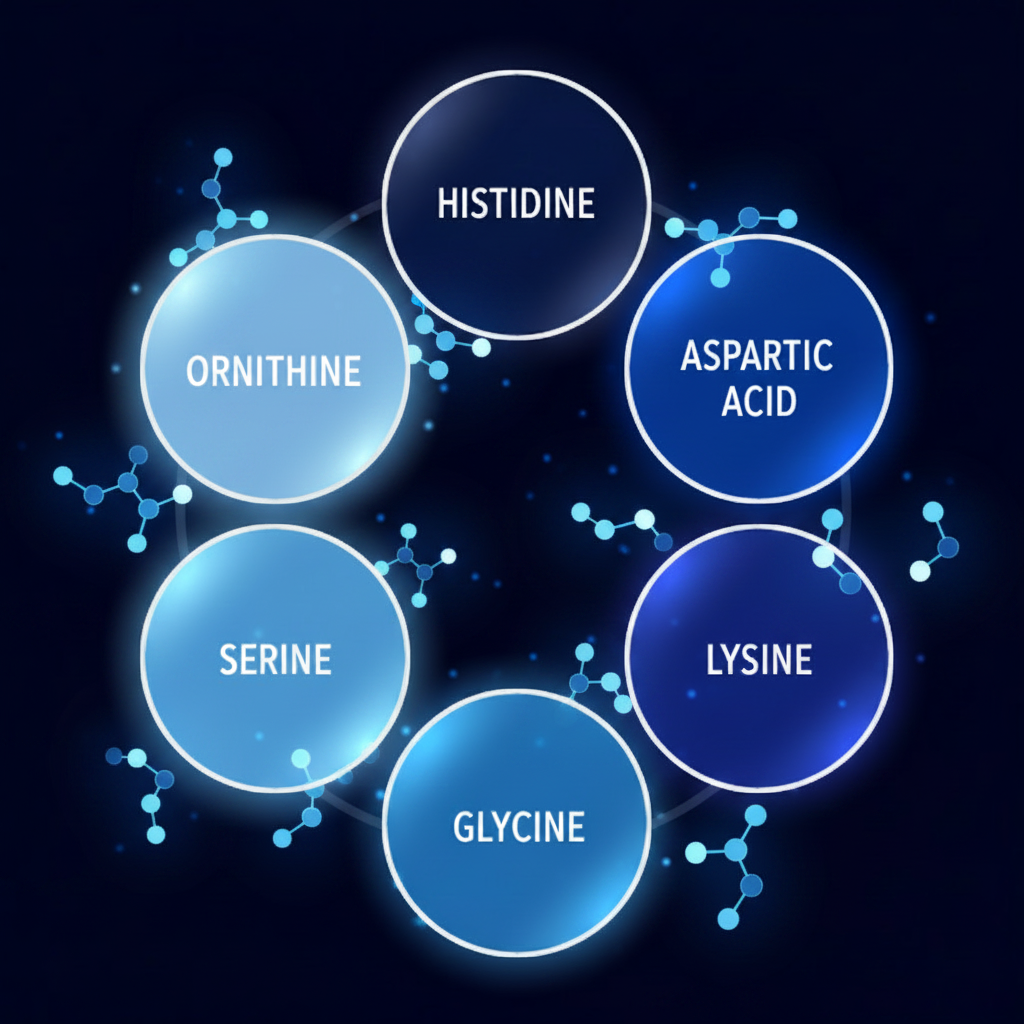
What Are High-Demand Amino Acids? An HDAA Guide for Exercise and Recovery
HDAA are six amino acids associated with the demands created by exercise, sweat loss, energy turnover and recovery. Here is what endurance athletes need to know.
Weiterlesenüber What Are High-Demand Amino Acids? An HDAA Guide for Exercise and Recovery
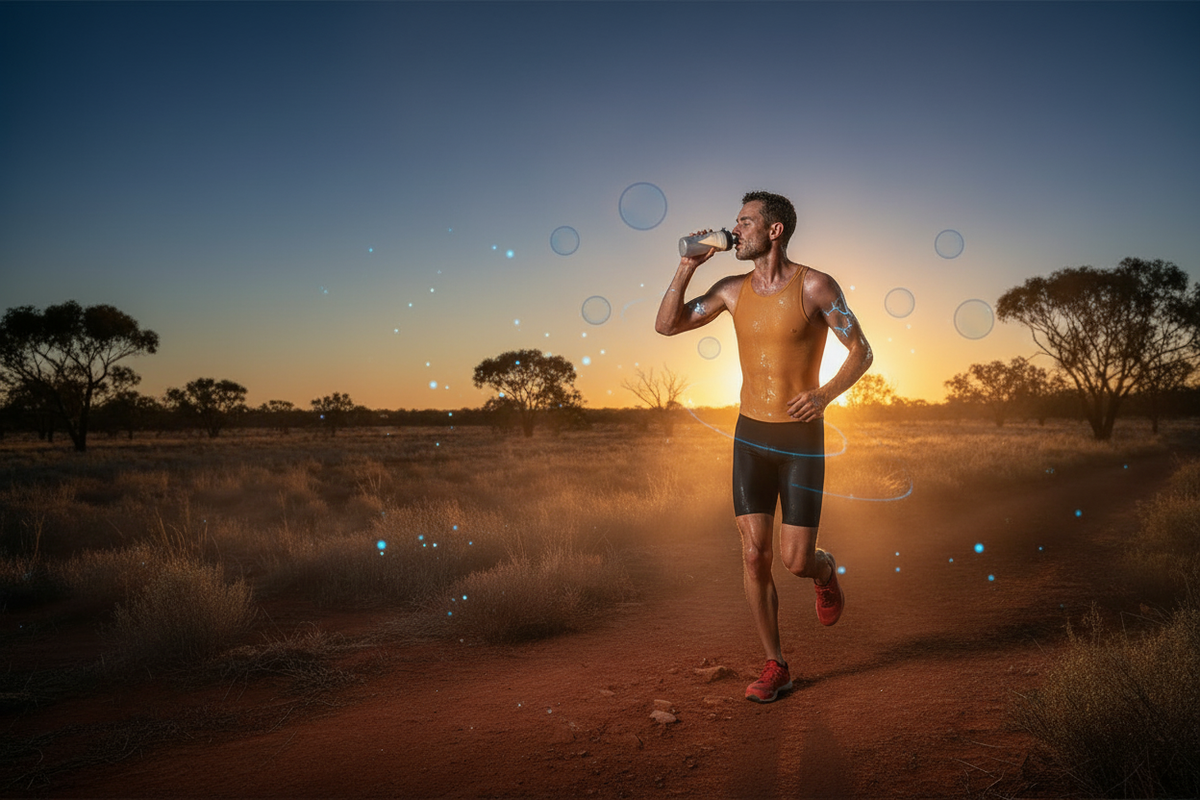
Do hydration, electrolytes and energy sources complete an endurance nutrition plan?
Most endurance athletes manage hydration, electrolytes and energy well. But completing the nutritional support stack may also require attention to High-Demand Amino Acids, or HDAA.
Weiterlesenüber Do hydration, electrolytes and energy sources complete an endurance nutrition plan?
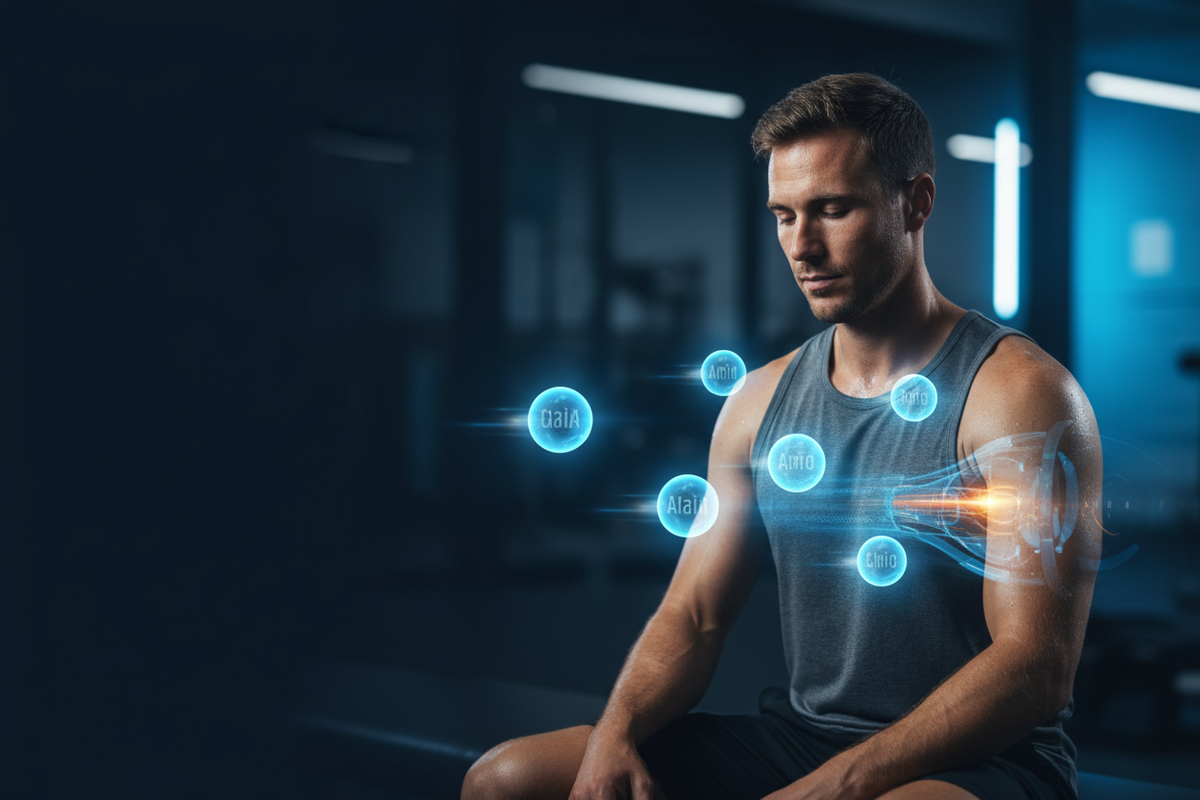
HDAA vs Protein Powder: What Supports Recovery Best After Exercise?
A 2g serving of OptimAAte is not a gram-for-gram replacement for 30g of whey protein. The difference is that OptimAAte is designed to deliver targeted High-Demand Amino Acids quickly, while whey provides a larger whole-protein serving that must be digested.
Weiterlesenüber HDAA vs Protein Powder: What Supports Recovery Best After Exercise?

The Recovery Window Is Shorter Than You Think — And Amino Acids Are Why
Weiterlesenüber The Recovery Window Is Shorter Than You Think — And Amino Acids Are Why

Protein Shakes Aren't Enough: What Protein Turnover Actually Demands From Your Body
Weiterlesenüber Protein Shakes Aren't Enough: What Protein Turnover Actually Demands From Your Body
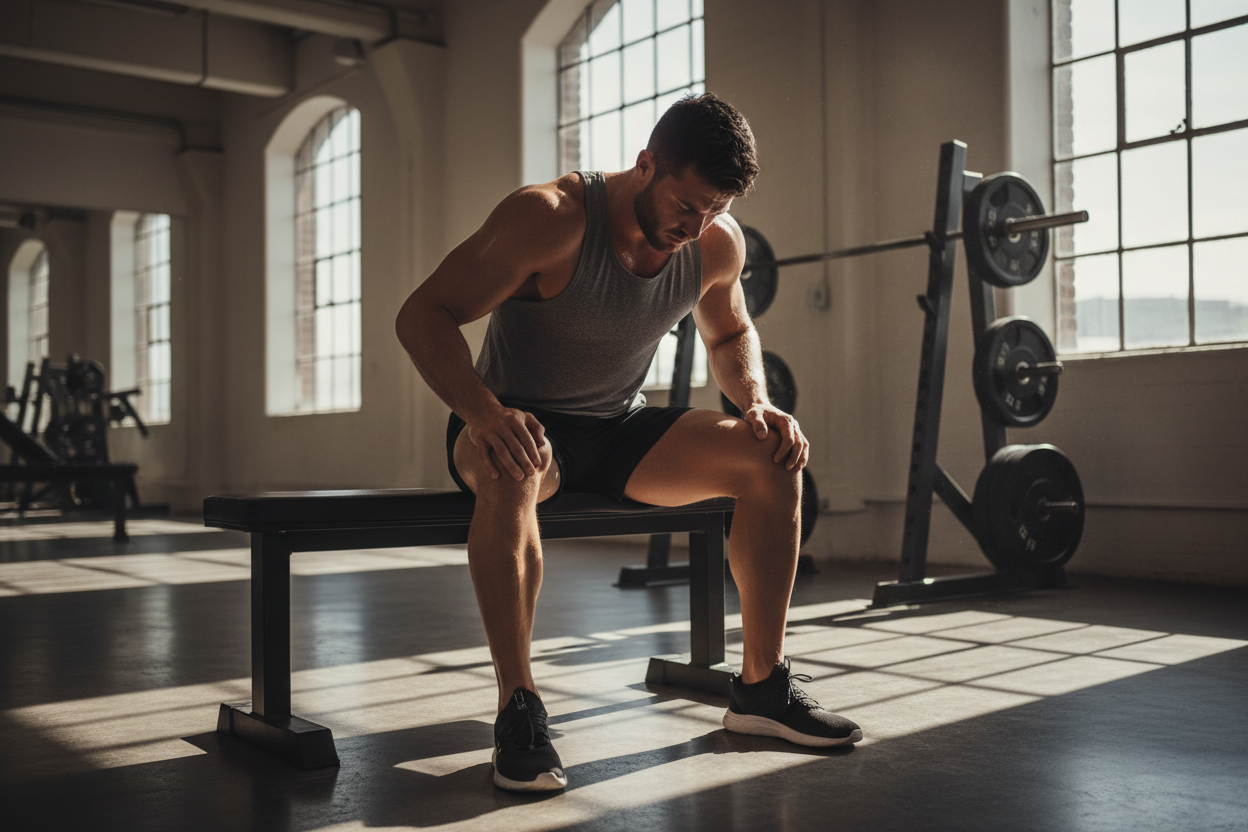
Why Your Muscles Are Still Sore 48 Hours After the Gym: The Amino Acid Explanation
Weiterlesenüber Why Your Muscles Are Still Sore 48 Hours After the Gym: The Amino Acid Explanation
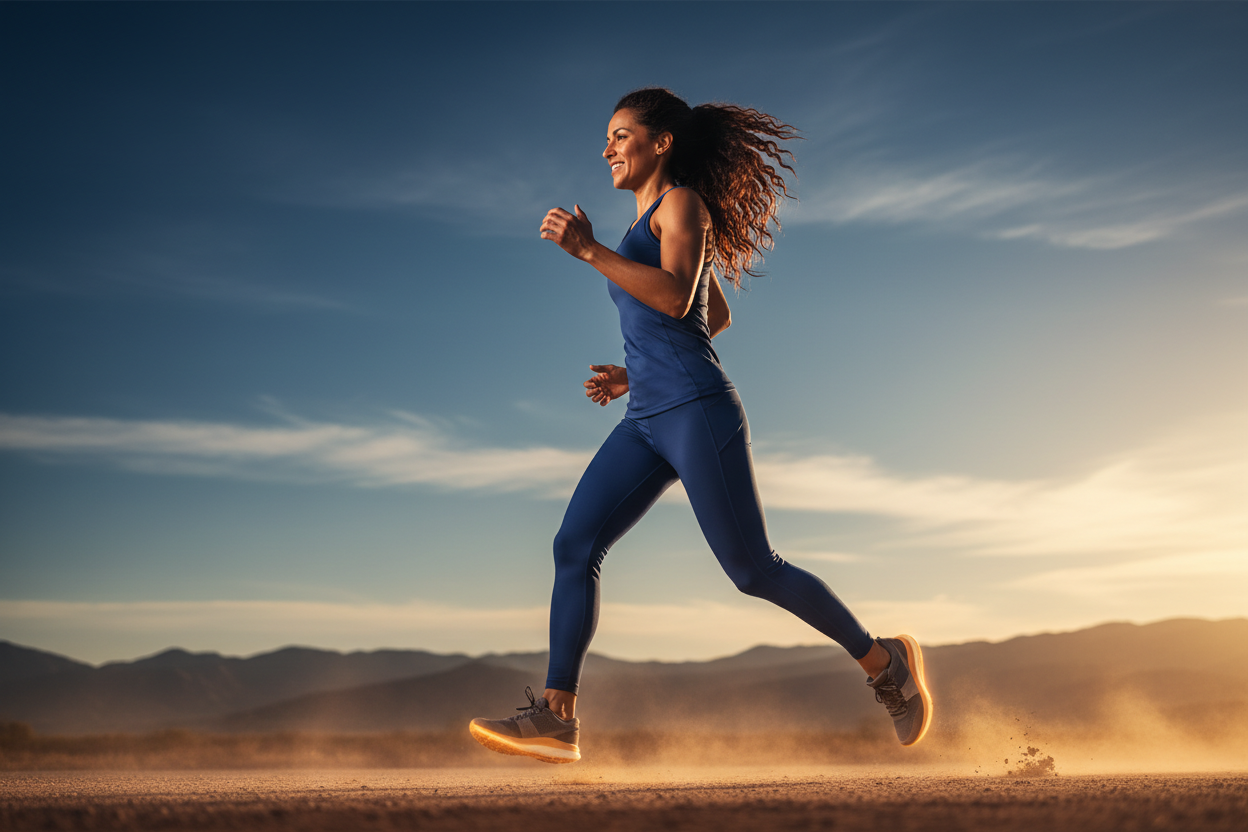
More Than Muscle: What Amino Acids Are Really Doing in Your Body
Weiterlesenüber More Than Muscle: What Amino Acids Are Really Doing in Your Body
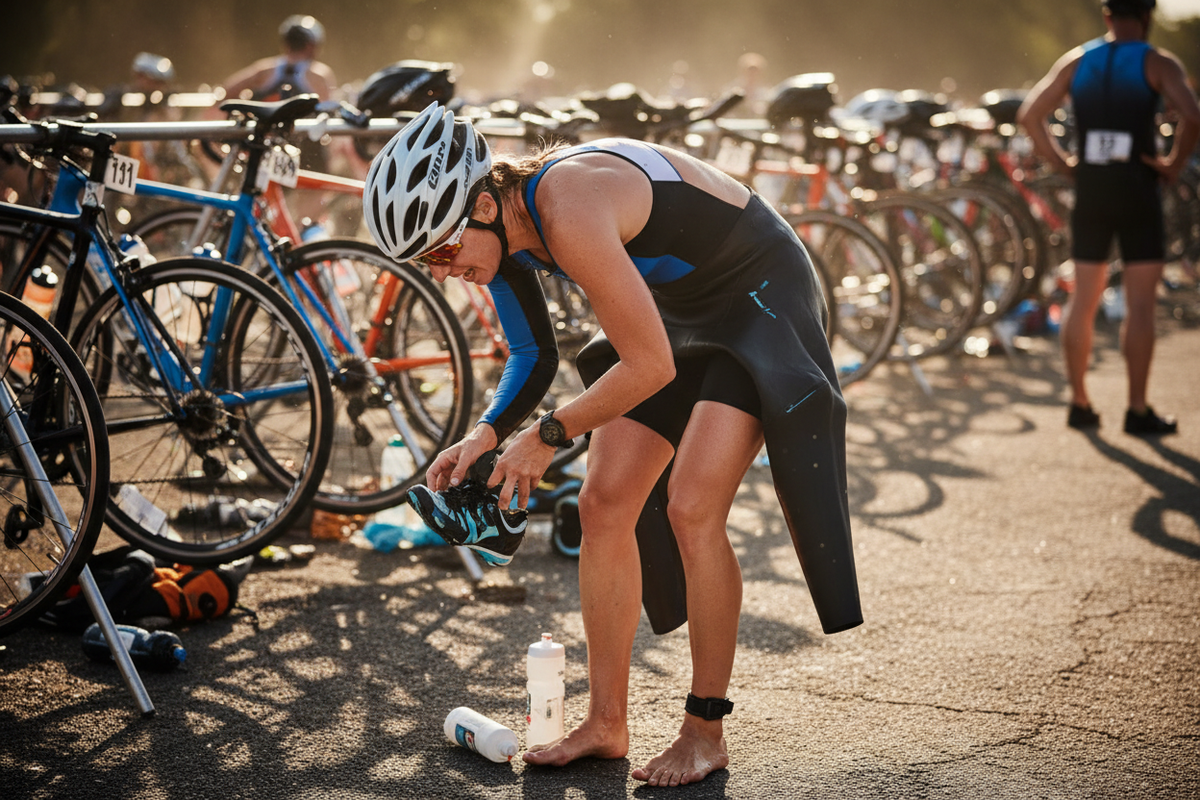
Triathlon Recovery: What Your Sweat Is Actually Costing You
Weiterlesenüber Triathlon Recovery: What Your Sweat Is Actually Costing You
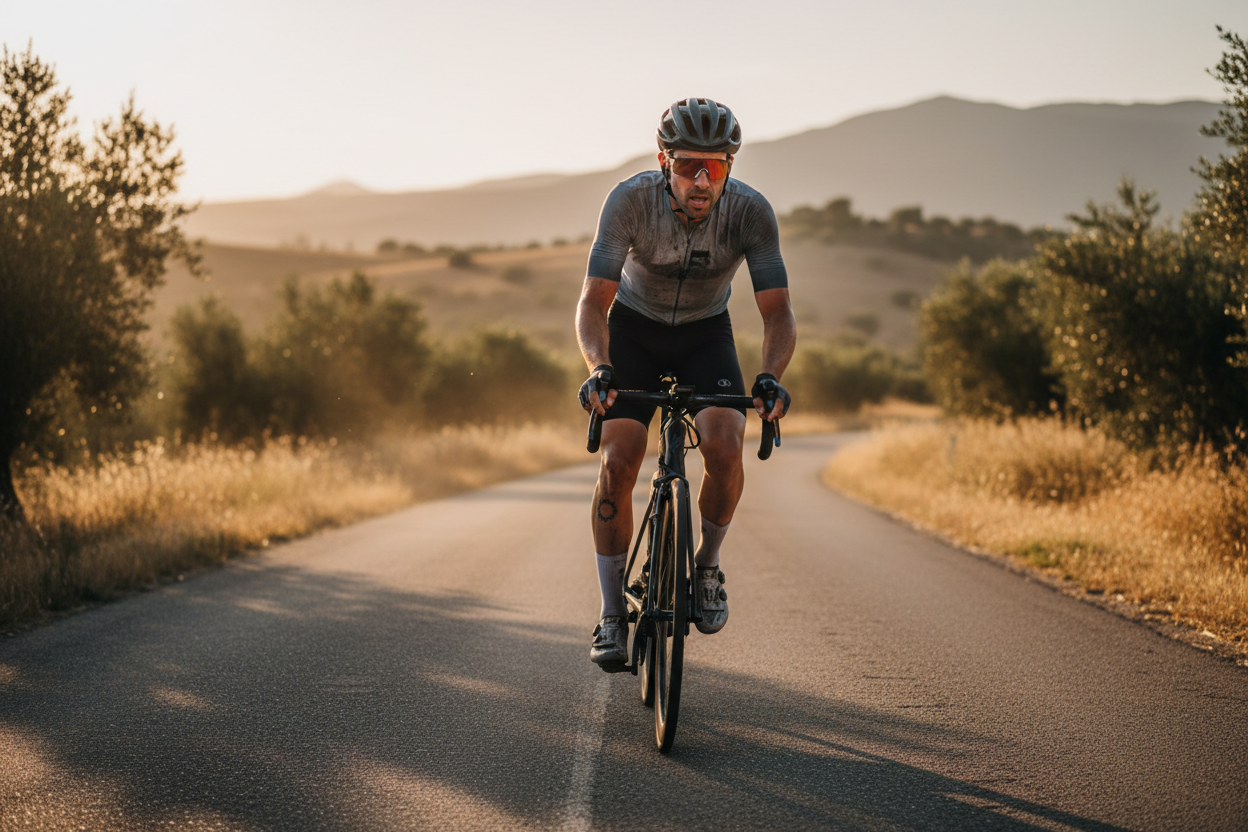
Why Cyclists Cramp and Fatigue Faster Than They Should: The Amino Acid Gap
Weiterlesenüber Why Cyclists Cramp and Fatigue Faster Than They Should: The Amino Acid Gap