



Complete the Stack: The Missing Link in Elite Performance Nutrition
During intense training—especially in heat—the body rapidly depletes specific amino acids. These aren’t just building blocks for muscle; they’re essential for maintaining systemic balance. Without adequate supply, the body enters a catabolic state, which can be described as metabolic scavenging—breaking down muscle tissue to access what it needs in real time.
Read moreabout Complete the Stack: The Missing Link in Elite Performance Nutrition

The Complete Endurance Nutrition Stack: Hydration, energy, and muscle protection
Most endurance athletes focus on hydration, electrolytes, and energy — but prolonged exercise also causes significant losses of key amino acids through sweat and metabolism.
Read moreabout The Complete Endurance Nutrition Stack: Hydration, energy, and muscle protection

Muscle recovery is the key to your next PR — Why amino acid replacement changes everything
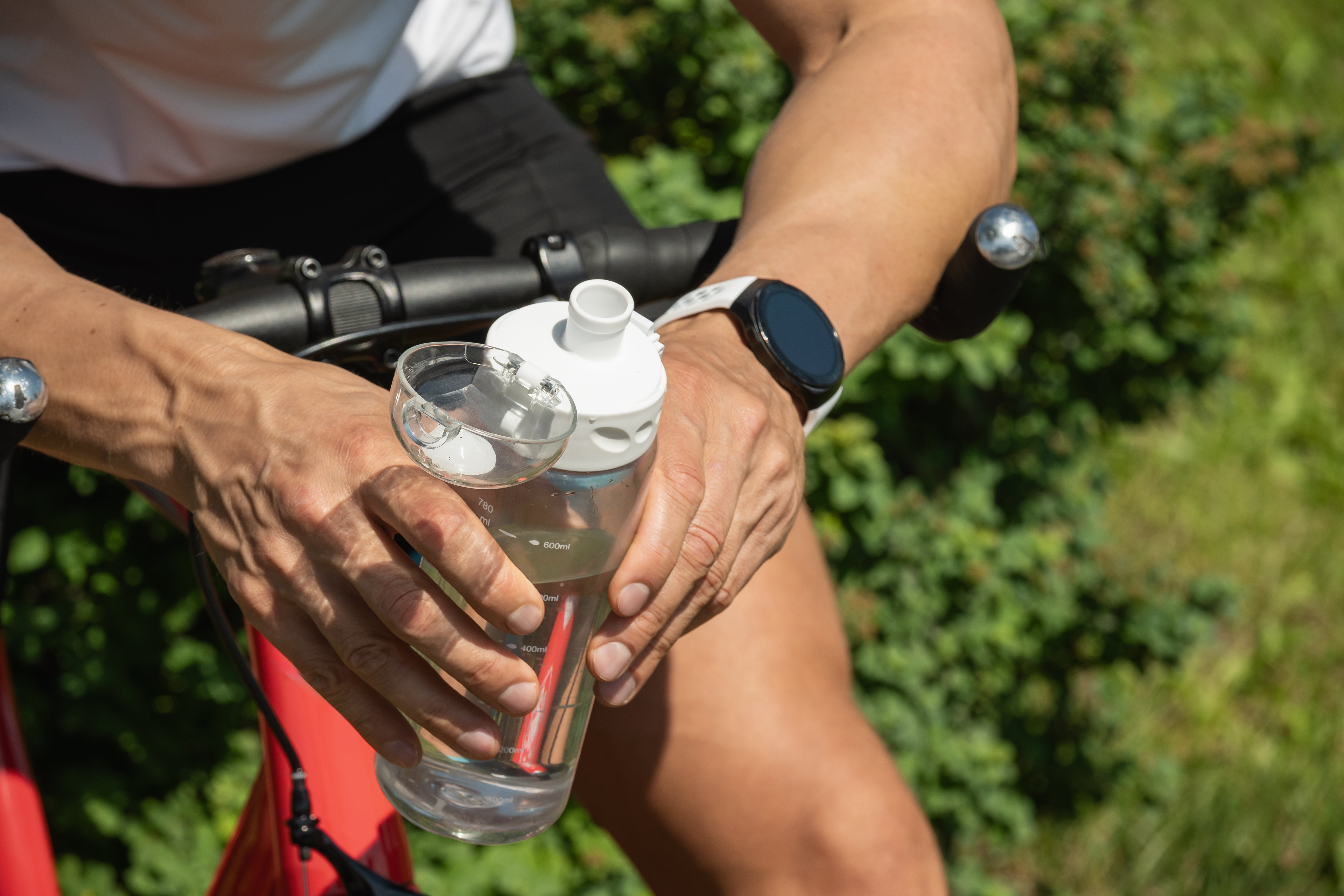
Sports Supplements: HDAA Supporting Your Metabolic Systems for Performance
Read moreabout Sports Supplements: HDAA Supporting Your Metabolic Systems for Performance
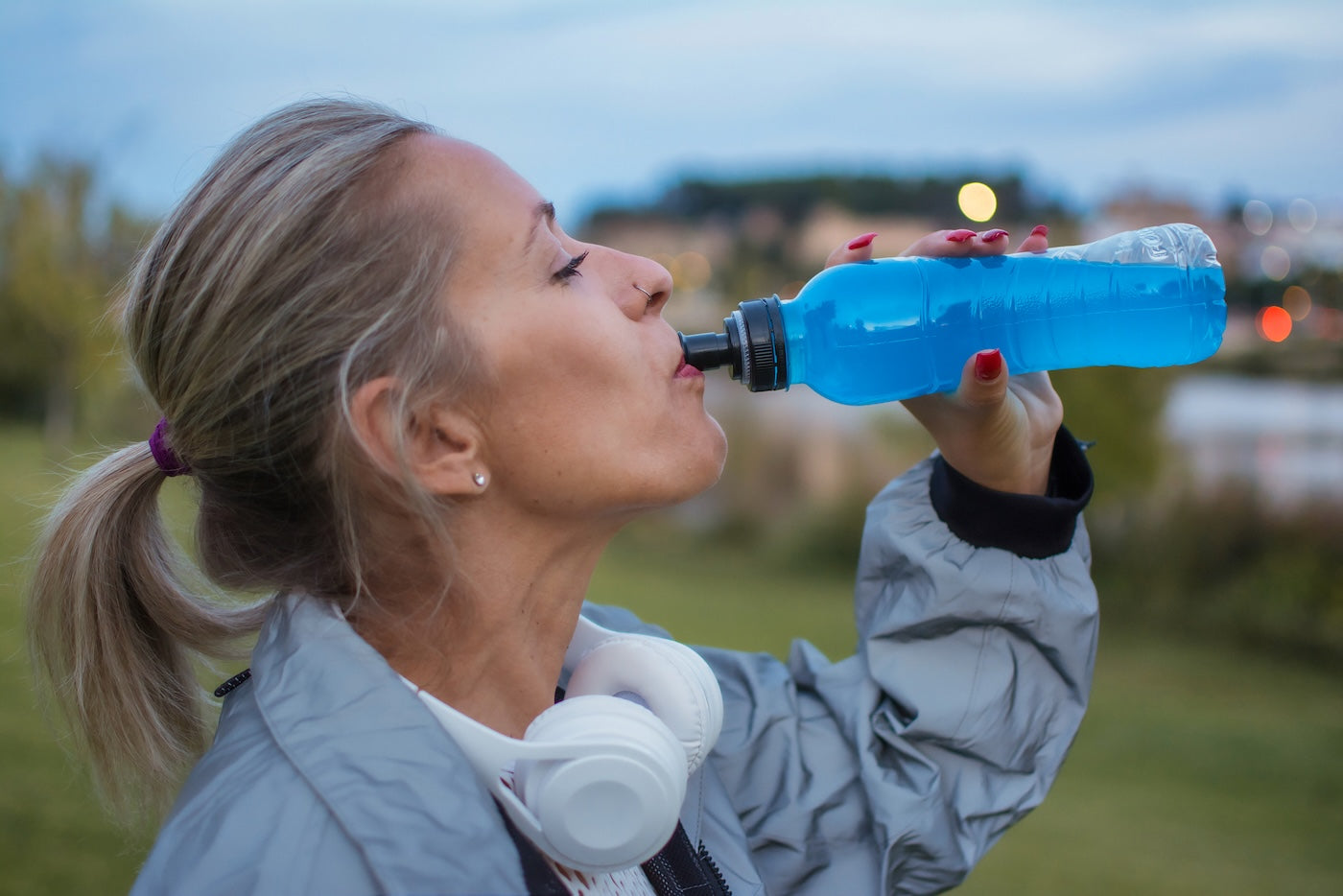
Amino Acid Supplements for Energy Recovery: Why HDAA Are the Game Changer
Most amino acid supplements focus on building muscle — but true recovery begins with restoring energy.
Read moreabout Amino Acid Supplements for Energy Recovery: Why HDAA Are the Game Changer
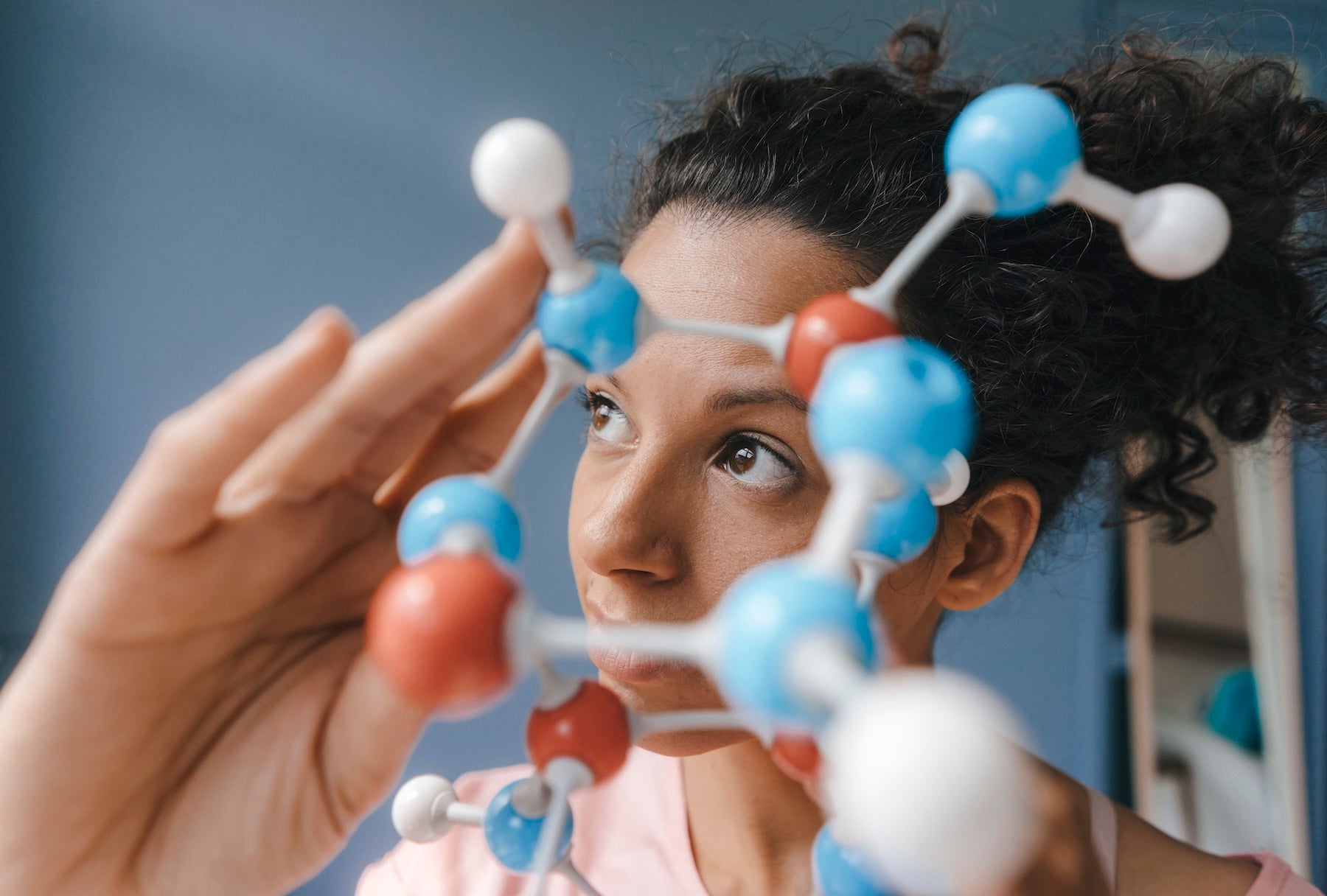
Amino Acid Supplements Evolved: The Science Behind High-Demand Amino Acids (HDAA)
At InnovAAte, our research has redefined what amino acid supplementation can achieve. Through decades of scientific investigation, we identified six High-Demand Amino Acids (HDAA) — histidine, glycine, serine, lysine, aspartic acid, and ornithine — that the body loses in large amounts through sweat and metabolism.
Read moreabout Amino Acid Supplements Evolved: The Science Behind High-Demand Amino Acids (HDAA)
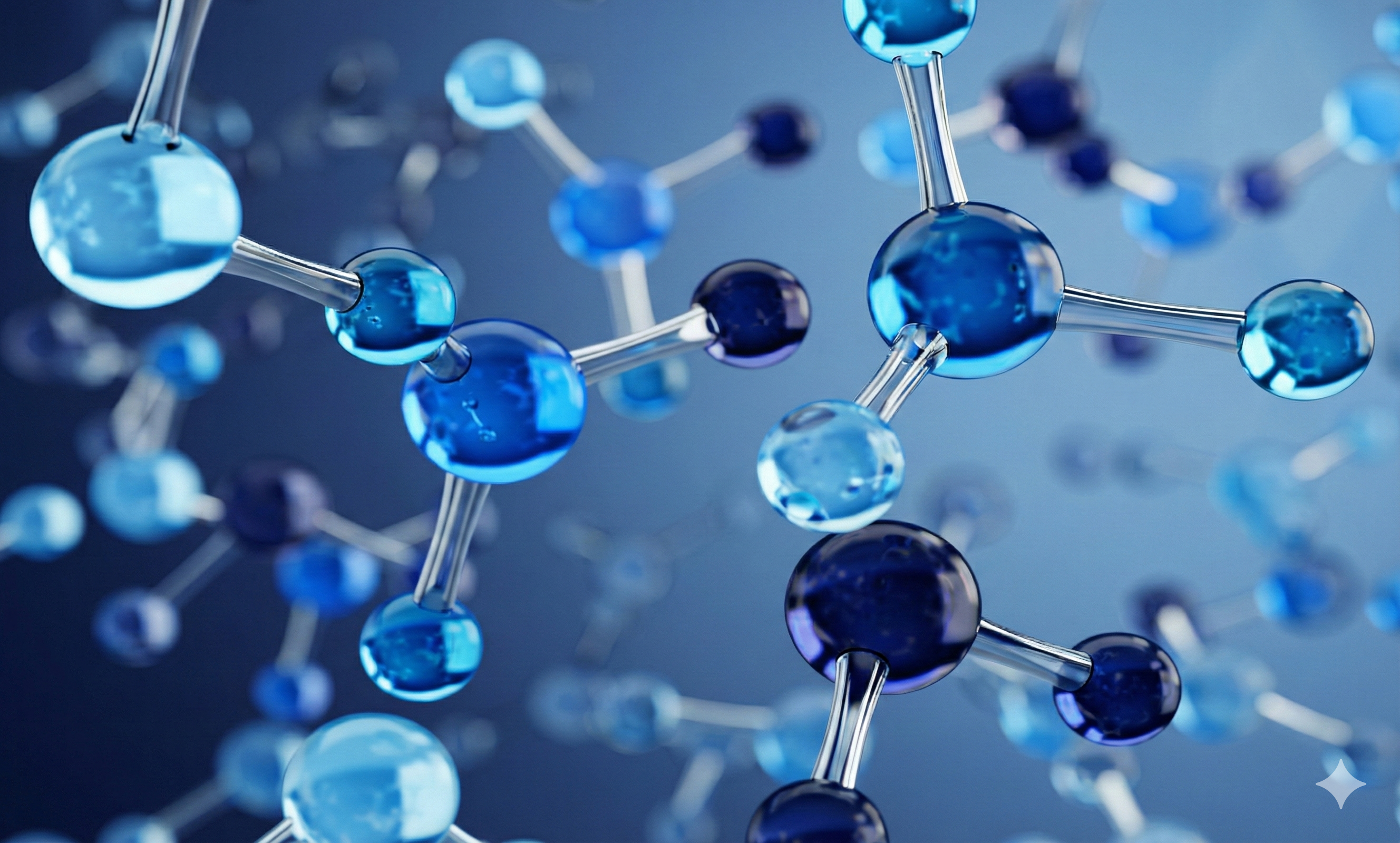
Why “Amino Acid Supplements” are about so much more than muscle-protein
High-Demand Amino Acids (HDAA) don’t just build protein — they sustain, optimise and repair your metabolic engine.
Read moreabout Why “Amino Acid Supplements” are about so much more than muscle-protein

HDAA vs BCAA: The Future of Amino Acid Supplements
Read moreabout HDAA vs BCAA: The Future of Amino Acid Supplements

Amino Acid Supplements: Why High-Demand Amino Acids (HDAA) Are Critical for Active Women Over 40
As women reach their 40s, energy levels, recovery time, and overall resilience can begin to shift. Hormonal changes, increased sweating, and metabolic slowdown make it harder to stay active and feel strong.